A: Because your body makes Vitamin D!
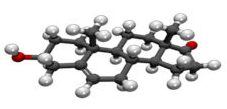
Vitamin D is not a vitamin, because normally, you don’t eat it. Vitamin D is a hormone, because it is made by an organ and transported in the blood to other organs, where it produces beneficial changes.
It’s a bit complicated:
The lower layers of the skin use UVB from sunlight to convert Cholesterol into an inactive prohormone called Cholecalciferol.
The blood takes the Cholecalciferol to the liver, where it is changed into Calcifediol. Calcifediol is transported from the liver to the kidneys, which turn it into Calcitriol, the active Vitamin D hormone.
Blood-borne Calcitriol plugs into receptors in each cell in all the organs, to do its work.
Vitamin D, necessary for many systems in the body, including bone maintenance and repair, absorption of calcium/magnesium from the bowel, cancer prevention and infection control, has long been recognised as an invaluable supplement in those parts of the world where climate restricts natural production by the human body.
Its deficiency has been associated with increased risks of deadly cancers, cardiovascular disease, multiple sclerosis, rheumatoid arthritis, and type 1 diabetes.
We have not yet proven that vitamin D actually prevents these diseases, however the discovery of antimicrobial peptide gene regulation by vitamin D has shone new light on its importance to the immune system. Vitamin D facilitates production of “Cathelicidins” and “Defensins”*, which not only target bacteria, viruses and fungal invaders, but also function as signalling molecules which activate the immune system, attracting white blood cells to sites of infection.
Much has been said about the “toxicity” of Vitamin D: overdose causes hypercalcaemia (superhigh blood calcium), which can produce calcium deposits which cause damage in organs like kidneys, liver, heart and muscles. The main symptoms of vitamin D overdose are those of hypercalcemia, including loss of appetite, nausea and vomiting, then excessive thirst and high urine production, weakness, insomnia, nervousness, itching and sometimes, kidney failure. Because of this possibility, allopathic medicine has been reluctant to encourage supplementation with more than token doses of this supremely important vitamin. However the current consensus is that one would need to take 50,000 units of Vitamin D daily for 6 months, to run into problems with side effects. In my opinion, everyone in Canada should take between 3,000 and 5,000 international units of vitamin D3** daily***, year-round, because we get no direct sunshine in Winter and in Summer light-skinned people, whose skin absorbs more UVB and makes more Vit. D, avoid the sun and dark-skinned people, whose pigment blocks UVB, need stronger sunshine than we get here.
* Defensins and Cathelicidins are chemical attractants for white blood cells and in addition, they promote production of “cytokines” and “chemokines” which attack germs. **Take “D3”, the active Vitamin D, with a “fatty meal”*** at any time of day**** and if you feel as though you have caught a “cold”, take an extra dose. ***Vitamin D is fat soluble, so you need fat or oil in the diet, to encourage absorption. Vegetarian diets contain very little fat, so vegetarians are more prone to deficiency.
**** It may provide nighttime relief from nasal congestion if taken at bedtime.
Q: Why don’t you catch cold on sunny days?
A: Because your body makes Vitamin D!
 Hormone Therapy Explained